


Description
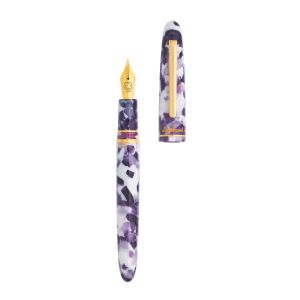
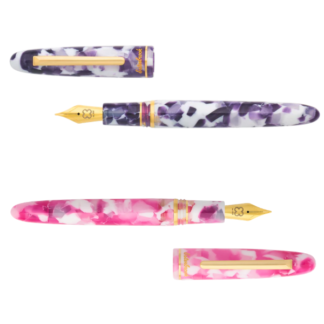
The Estie is Esterbrook’s flagship. It takes its proportions from the elegant simplicity of Art Deco design: a gently tapering barrel, a clean cap profile with a distinctive clip, and a section that sits naturally in the hand without artificial contouring. The pen is comfortable for long writing sessions and carries no unnecessary embellishment. Every element serves a purpose. The nib unit accepts international standard short cartridges and a standard converter, making the Estie practical as well as beautiful. The cap closes securely, and the pen posts well for those who prefer to write with the cap on.
BUNGUBOX is more than a stationery shop. Located in Fukuoka, Japan, the boutique has become a destination for pen enthusiasts and ink collectors from across the world, drawn by the depth of its selection, the expertise of its staff, and the exclusivity of its house collaborations. The name comes from the Japanese word for stationery, 文具 (bungu), and the shop has built its reputation on finding and offering the very best in writing instruments and materials.
Collaborations bearing the BUNGUBOX name are produced in limited quantities and developed in close consultation with the shop, resulting in products that reflect a specific aesthetic sensibility and a deep understanding of what the community values. An Esterbrook x BUNGUBOX collaboration is a meeting of two distinct traditions, American pen heritage and Japanese stationery culture, and that tension produces something neither brand would arrive at alone.
The concept chosen for this collaboration, kachofugetsu (花鳥風月), sits at the heart of classical Japanese aesthetics. Each of the four characters carries its own meaning: flower (花), bird (鳥), wind (風), moon (月). Together they describe not a list of natural things but a quality of perception, the capacity to observe the natural world with full attention and to find in its transience the highest form of beauty. The concept appears across centuries of Japanese poetry, ink painting, garden design, and craft, always pointing toward the same awareness: that beauty is most fully experienced in things that do not last. Cherry blossoms are among the most powerful expressions of this idea.
The sakura flowers for one to two weeks each spring before the petals fall, and the anticipation of that falling is as much a part of the experience as the bloom itself. The Japanese call this awareness mono no aware, the gentle sadness of passing things, and it is woven into the country’s visual and literary culture in ways that no other seasonal event quite matches. The Kachofugetsu Flower pen brings this sensibility directly into the hand of the writer.



Reviews
There are no reviews yet.