

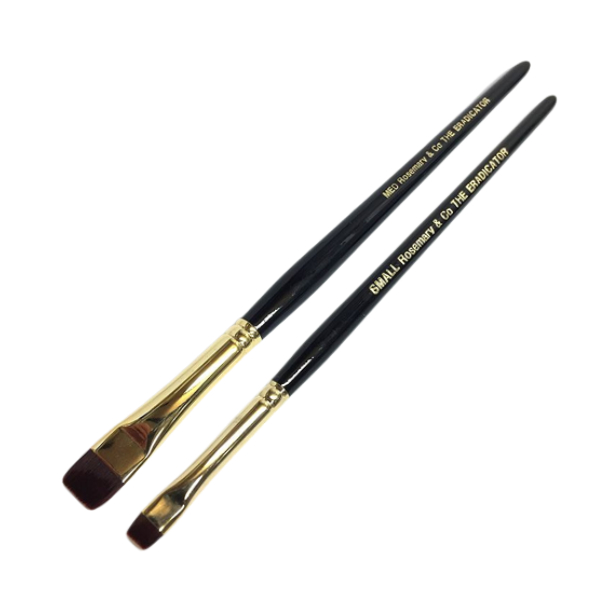
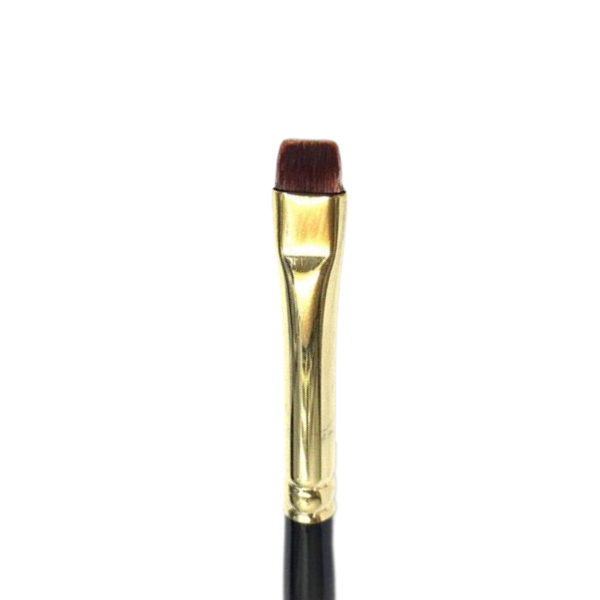


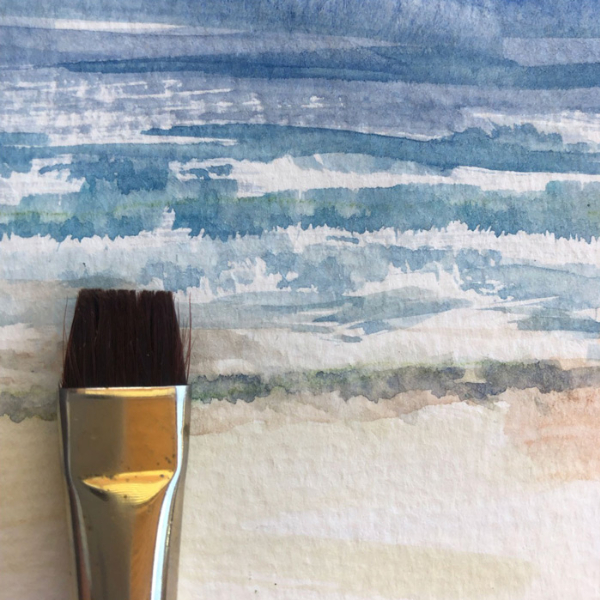
Description
Instructions for use:
- Use the brush when barely damp, not wet.
- Hold in a nearly vertical orientation and drag gently, but firmly back and forth along its’ long edge.
- Upon first noting the removal of paint, immediately dab the brush several times on a towel (paper, etc) and recommence “erasing”.
- Rinse after 2 – 3 “erasures”, dab to remove excess wetness and continue.
Cleaning your brushes is an important investment both of your time and your money. The more you look after your tools, the better they will serve you. Extend the longevity of your brushes by following these easy brush-cleaning tips:
Watercolour Brushes: Cleaning watercolour brushes is simple. Take your brushes to the sink and rinse them under running water, allowing the pigment to wash away naturally. Use a bar of soap and gently move the brush back and forth across the palm of your hand to ensure the bristles are thoroughly cleaned. Once clean, gently squeeze out excess water, reshape the brush to its original form, and store it upright. Conditioning your brushes occasionally will help maintain their performance and longevity.
View our brush cleaning range:
Conclusion: Regardless of your preferred cleaning method, always reshape your brushes to their original form before allowing them to dry. If your round brushes come with protective caps, we recommend discarding them. These caps are intended for transport only, and unless you have excellent eyesight and a very steady hand, replacing them often bends the bristles. Ensure brushes are left somewhere they can dry completely, and never store them in an airtight container while still damp. Investing in a brush wrap or protective case is a great way to store and transport your brushes safely.




Reviews
There are no reviews yet.