


Description
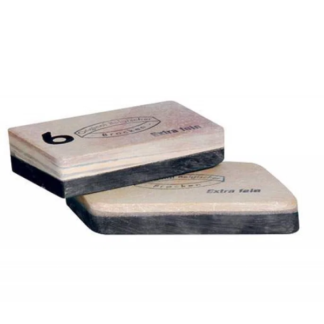
Honing stones , particularly natural Arkansas stones, cut most effectively when used wet. A light oil applied to the stone surface before and during honing does two things: it lubricates the contact between the steel bevel and the stone (reducing friction and heat), and it provides a carrier that floats the fine steel particles produced by honing off the abrasive grain of the stone surface.
Without oil, these particles accumulate and clog the microscopic pores of the abrasive surface — a condition called glazing. A glazed stone stops removing metal effectively and simply polishes the bevel without improving the edge. The result is a slow, unproductive honing session and a stone that needs reconditioning.
Apply a few drops to the stone surface before starting, and reapply during a long session if the surface appears to be drying. After honing, wipe the stone clean with a cloth to remove accumulated steel residue and oil. This simple maintenance routine keeps the stone cutting consistently and extends its useful life significantly.








Reviews
There are no reviews yet.